


A MESSAGE TO CONSUMERS
You don't need to memorize a supply chain to make a better choice.
The Chocolate Scorecard does the work, every year, on the brands you already buy. Green and yellow companies are the ones doing the harder work on child labor, farmer income and forests. Grey companies have refused to be measured.
Name. Fame. Celebrate.
We name the laggards, fame the leaders, and celebrate every step forward — because pressure without recognition burns bridges, and praise without accountability breeds complacency. The Chocolate Scorecard holds all three together, turning an annual assessment into a movement the industry can't ignore.
Buy chocolate that is willing to be checked.

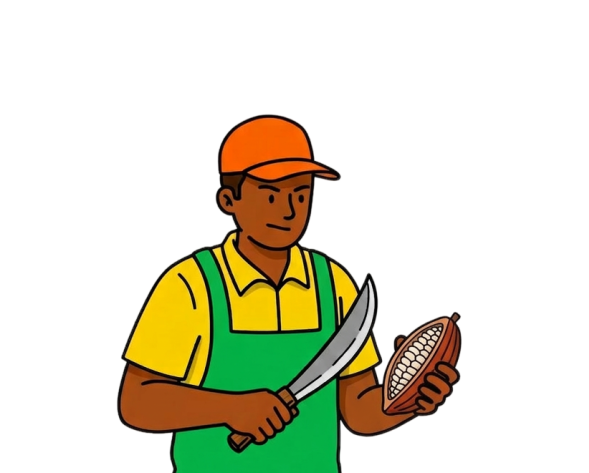
The Bar Finally Moved
This year, the Scorecard rewarded action, not aspiration. A policy on a website was no longer enough to score well — companies had to show what they had measured, paid and changed on the farms they buy from.
The result: Cocoa farmers confirmed to NOT be earning a living income is 37%.
The number didn't get worse — companies looked at farmers they hadn't looked at before.
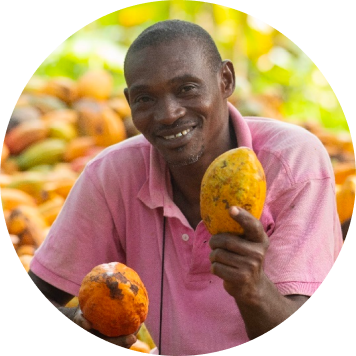
What would it take to close the gap? Either a roughly 2.5% rise in the price of a chocolate bar — single-digit cents — or, if the world's biggest chocolate companies absorbed the cost themselves, a half-percentage-point drop in net margin.
The question is willingness, not affordability.
Traceability & transparency
Silence is a data point
Companies that refuse to be measured speak loudly. Their own reports go quiet. Meanwhile, the leaders are showing real data — not just aspirations.
Living Income
Now the lowest-scoring theme in the Scorecard.
We have been asking companies to look at what they are actually paying their farmers. They have looked. They have provided the answers. Now we all know.
Gender
Third time scored, first time made public. The leaders are tackling cultural and structural barriers, not running a patchwork of programs. Real impact will show as deep change in cocoa-growing communities.
Pesticides
Pesticides poison farmers and their children. The leaders show this is solvable — through integrated pest management, organic systems, or both.
Child & Forced Labor
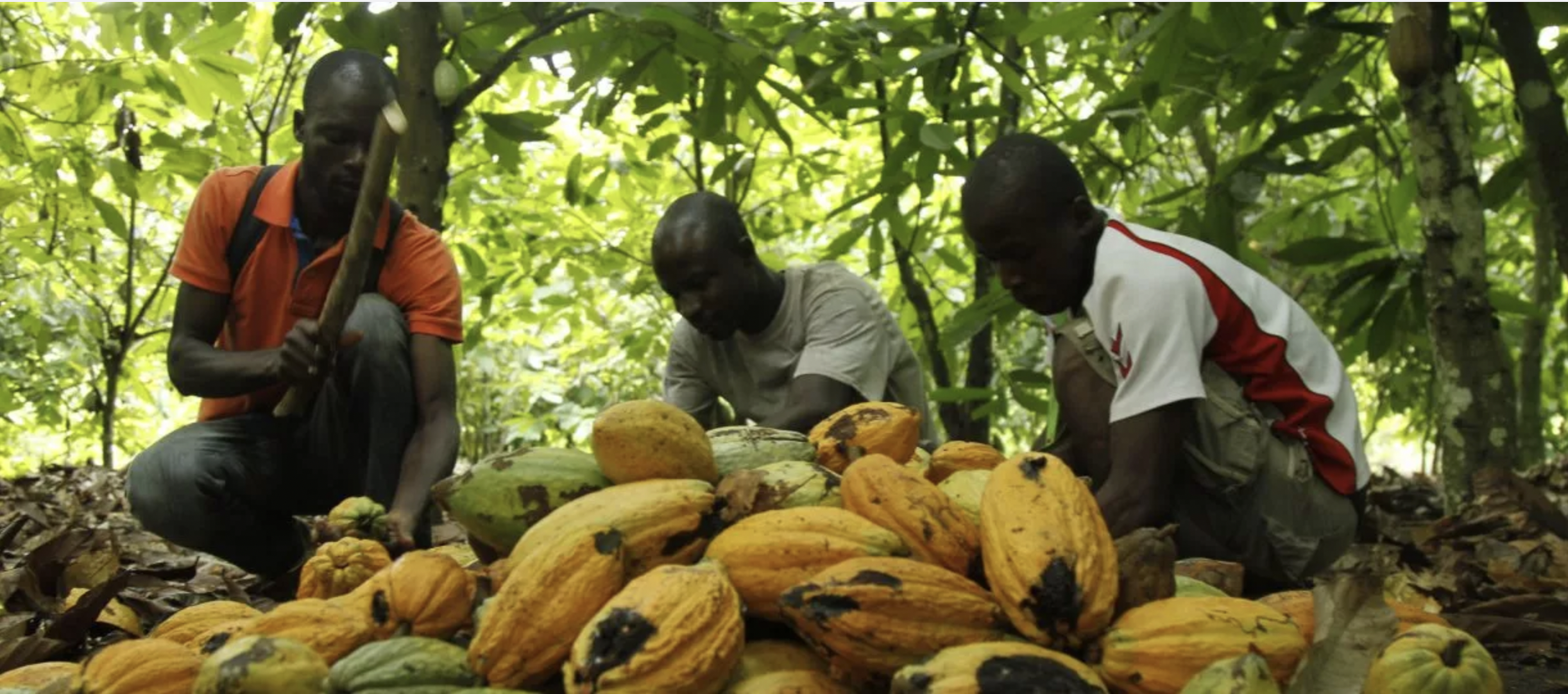
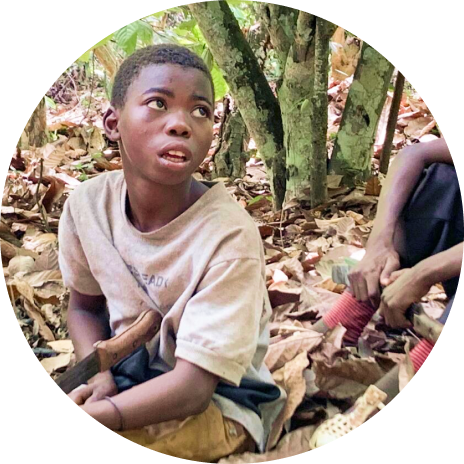
In 2001, the chocolate industry promised to end child labor in cocoa. Twenty-five years later, the leaders are tackling the poverty that puts children in the fields. Most of the rest are still counting cases.
Deforestation
From 30 December 2026, the EU's Deforestation Regulation begins its first audit cycle. The leaders can already prove their cocoa is deforestation-free, exclude farms that clear forest, and offer a path back. The pressure is moving to Liberia and the Congo Basin.
Agroforestry & Climate
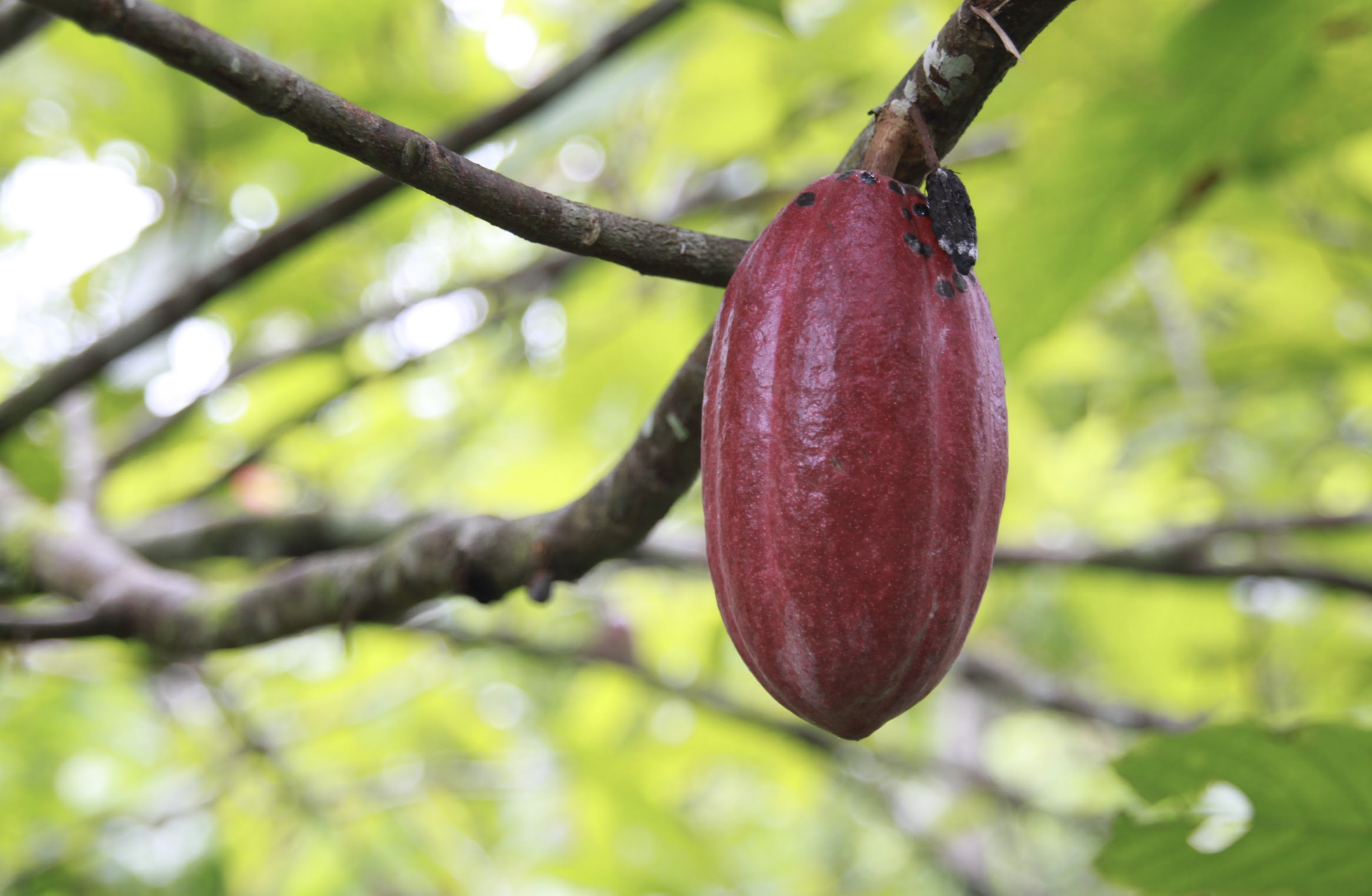
Cocoa drove the loss of up to 90 percent of forest in some producing countries. Done well, agroforestry pulls carbon, restores soil, returns wildlife, and protects farmers from climate shocks.
7TH EDITION
GOOD EGG AWARDS
Congratulations! These companies are industry leaders. They treat the farmers who grow their cocoa as seriously as the chocolate that ends up on the shelf.

GENDER AWARD goes to Tony's Chocolonely for treating gender equality as long-term structural change that shows up in farming households first.

Inaugural Farmer Health Award : The Hershey Company
Because a resilient supply chain starts with healthy farmers
This award recognizes a company that understands caring for cocoa farmers means caring for their health — not only as a business strategy, but because it's the right thing to do. The best farmer health programs don't arrive with a checklist. They listen first, partnering with specialist organizations to understand what communities actually need. They build the infrastructure so help is there before crisis hits — because when illness strikes a farming family, the expense shock alone can be devastating. They invest in prevention, not just treatment. A company that gets this right knows that resilient supply chains need healthy farmers. But more importantly, it knows it has a responsibility to the people who grow the cocoa.
RETAIL STAYERS AWARD
The Retail Stayers Award recognizes the retailers who haven't flinched. Since 2021, these eight retailers have done something deceptively simple. They've stayed. Year after year, they have submitted to scrutiny, engaged with uncomfortable findings, and grappled with the wicked problems of child labor, deforestation and farmer poverty that still shadow the cocoa industry. They don't always score well. That's precisely the point. Showing up, consistently and willingly, is its own form of leadership.
BAD EGG AWARD
Companies that decline to participate — no questionnaire, no evidence, no engagement. The Scorecard does not guess at scores. The row is left largely blank. Silence is a position. Mondelēz International — owner of Cadbury, Milka, Toblerone, Côte d'Or and Green & Black's. The second-largest chocolate company in the world. Starbucks — a coffee company with a serious cocoa footprint: hot chocolate, mochas, frappuccinos, and the seasonal chocolate-forward range.

7th Edition Scorecard
COMPANIES RANKING EVOLUTION
7th
Daito Cacao
Morinaga
Glico
Itochu Corporation
Fuji Oil
Orkla
GCB Cocoa
Lotte
General Mills
JB Cocoa
Meiji
Stollwerck (part of Baronie)
Storck
Cargill
Pladis
Barry Callebaut
Valrhona
Touton
Puratos
Hershey's
Whittakers
Lindt & Sprüngli
Sucden Cocoa
Ofi
Delica (Frey)
ECOM Trading
Ferrero
ETG / Beyond Beans
Nestlé
Mars Wrigley
CEMOI (part of Baronie)
Ritter Sport
Tony's Chocolonely
HALBA
6th
Daito Cacao
Glico
Lotte
Fuji Oil
Morinaga
JB Cocoa
GCB Cocoa
General Mills
Meiji
Walter Matter
Orkla
Itochu Corporation
Starbucks
Delica (Frey)
Storck
Fazer
Cargill
Ofi
ECOM Trading
Magnum Ice Cream Company
Barry Callebaut
Stollwerck (part of Baronie)
Touton
Valrhona
Ferrero
Lindt & Sprüngli
Hershey's
Sucden Cocoa
Pladis
Puratos
Mars Wrigley
ETG / Beyond Beans
Whittakers
Nestlé
Ritter Sport
CEMOI (part of Baronie)
HALBA
Tony's Chocolonely
5th
General Mills
JB Cocoa
Glico
Daito Cacao
Storck
Lotte
Morinaga
Orkla
Itochu Corporation
GCB Cocoa
Delica (Frey)
Meiji
Fuji Oil
Puratos
Ofi
Stollwerck (part of Baronie)
Cargill
Lindt & Sprüngli
Touton
Barry Callebaut
Valrhona
Sucden Cocoa
ETG / Beyond Beans
Pladis
ECOM Trading
Ferrero
Hershey's
Nestlé
Whittakers
Mars Wrigley
CEMOI (part of Baronie)
HALBA
Ritter Sport
Tony's Chocolonely
4th
General Mills
JB Cocoa
Delica (Frey)
Daito Cacao
Glico
Morinaga
Storck
Lotte
Itochu Corporation
Puratos
Meiji
Fuji Oil
Orkla
Valrhona
Stollwerck (part of Baronie)
Touton
Sucden Cocoa
Ofi
Lindt & Sprüngli
Pladis
Cargill
Barry Callebaut
ECOM Trading
Mars Wrigley
ETG / Beyond Beans
Ferrero
Nestlé
Hershey's
Whittakers
CEMOI (part of Baronie)
Ritter Sport
HALBA
Tony's Chocolonely

The Scorecard
We eat chocolate for comfort, celebration and indulgence. But what’s really going into the chocolate we buy?
HOW WE CREATE THE SCORECARD
In the 7th Edition, we tightened how Living Income is scored, and we added Gender as a fully scored category. We stopped accepting "we don't know" as an answer.




News & Stories












THE BIG QUESTIONS
FOR THE INDUSTRY
The chocolate industry is at a turbulent moment. Cocoa prices are fluctuating, climate pressures are shrinking yields, and new regulations are reshaping how cocoa must be produced and traded. Consumers are demanding better — while navigating their own cost-of-living pressures. In a landscape of uncertainty, the big questions can't be ignored. The Chocolate Scorecard exists to spotlight them, and to work with the industry to build a future that works for people, planet and primates.
These are the questions every chocolate buyer, every retailer, every regulator, every civil society partner and every advocate should be able to answer. Most of us can't — yet.
THESE ARE QUESTIONS FOR US ALL
What is a true living income for cocoa farmers, and who decides how it is measured, monitored, and delivered?
Cocoa prices tripled in 2024 and farmers saw little of it. What would a pricing system that shares both upside and risk with farmers actually look like?
Who is genuinely willing to pay for sustainable cocoa — brands, retailers, or consumers — and how should the real costs be shared across the value chain?
What comes after CLMRS — and how do companies move from identifying child labour to preventing and remediating it?
Now that women's labor, land rights and decision-making power are visible in the data, what does the industry owe women in cocoa — and how will we know it's been paid?
Whose lungs, soil and water carry the cost of pesticide use in cocoa, and what would it take for the industry to phase out the most hazardous chemicals?
What does a healthy cocoa-farming community look like — schools, clinics, food security, mental health — and whose responsibility is it to get there?
Cocoa needs shade, biodiversity and healthy soil to survive a hotter climate. Will the industry pay farmers to grow cocoa that way, or keep paying for cocoa that's accelerating its own collapse?
What does responsible expansion look like when the search for new origins risks repeating in places like Ecuador, Indonesia and Cameroon the harms already done in West Africa?
What happens to the hundreds of thousands of farmers who grow cocoa in deforested areas or National Parks and can no longer sell it?
Is the wave of new regulation (EUDR, CSDDD, forced-labour import bans) raising the floor for the whole industry, or building a compliance moat that the largest players climb over while smallholders are left outside?
Beyond commitments and certifications, what evidence would prove that cocoa-farming households are actually better off than they were five years ago?
Who holds the chocolate industry to account when promises slip — regulators, civil society, or no-one — and what would meaningful consequences look like?

THE STATE OF THE
COCOA
SECTOR
The cocoa system is doing exactly what it was designed to do — and that is the problem. The farmer at the start of the chain bears the cost. The current design cannot absorb climate, prices or regulation. The redesign is needed.
Cocoa & Palm Oil
Many chocolate varieties are palm oil-free and use cocoa butter which has a melting temperature close to body temperature. It gives you that creamy slow-melting sensation and rich flavor as you pop it in your mouth.
Some chocolate brands use palm oil as it is a relatively cheap ingredient, and has a higher melting point, meaning that if it's used in chocolate, it's less likely to melt before you eat it in warmer climates. It produces a 'waxy' texture when you eat it and is not as rich in flavor.
The production of palm oil is problematic - for people, primates and the planet. Check out the video to find out more.

WE CANNOT DO THIS
WORK ALONE
The Chocolate Scorecard is delivered by a coalition of more than 30 NGO, academic and civil-society partners — including the University of Wollongong and The Open University in the UK — coordinated by Be Slavery Free.
We work with the chocolate companies, processors and retailers as partners on their journey to higher transparency, better policies, and better practice — the building blocks for a sweeter world for cocoa.

WORK WITH US.
DON'T COPY US.
We are committed to transparency, collaboration and inspiring change. The Chocolate Scorecard has been developed and refined over many years by leading innovators in the sector.
Our distinctive 'Name, Fame and Celebrate' approach is driving measurable change in areas we once thought were out of reach — and we believe impact compounds when the right people work together.
If you would like to explore applying our unique methodology to other commodities, gain approved access to our social media assets or discuss partnership opportunities with us, we would love to start a conversation.